Munich Workshop Organization: Perforated Board Systems with Plastic Storage Boxes for Industrial and Automotive Tool Management
Efficient Workshop Organization in Munich’s Industrial Sector
Munich’s industrial landscape, characterized by precision manufacturing and automotive excellence, demands efficient workshop organization solutions. Perforated board systems, commonly known as pegboards or hole walls, combined with plastic storage boxes, have become essential components in modern workshop environments throughout the Bavarian capital. These systems offer practical, adaptable solutions for tool organization in both automotive repair shops and industrial manufacturing facilities.
Understanding Perforated Board Systems
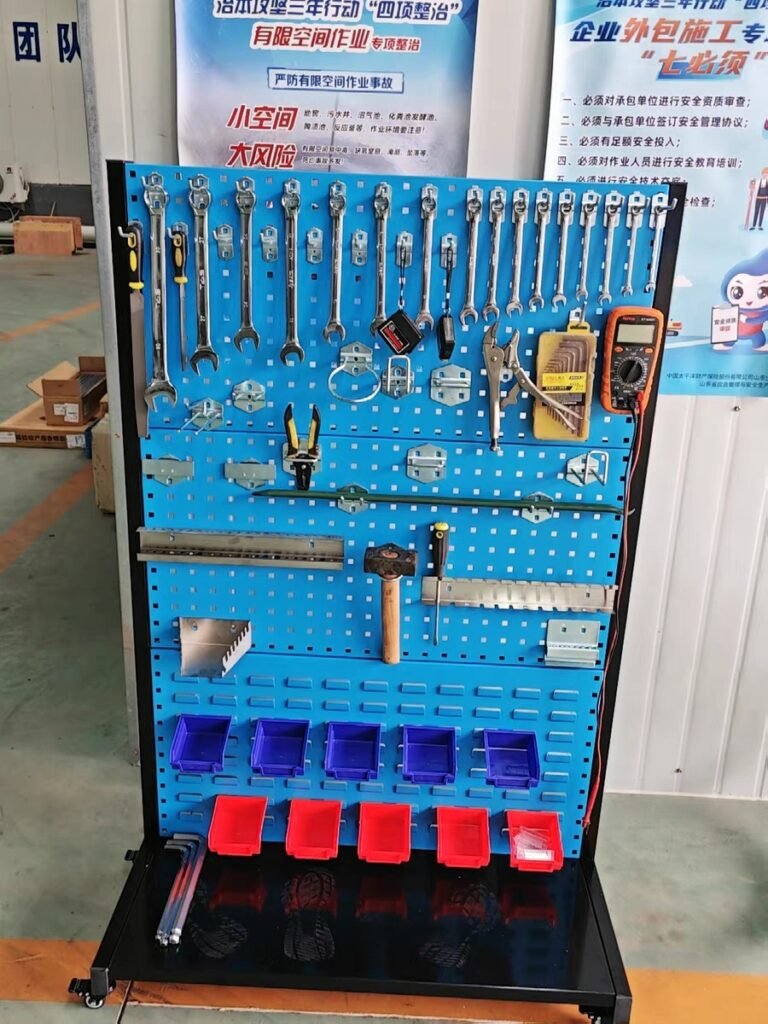
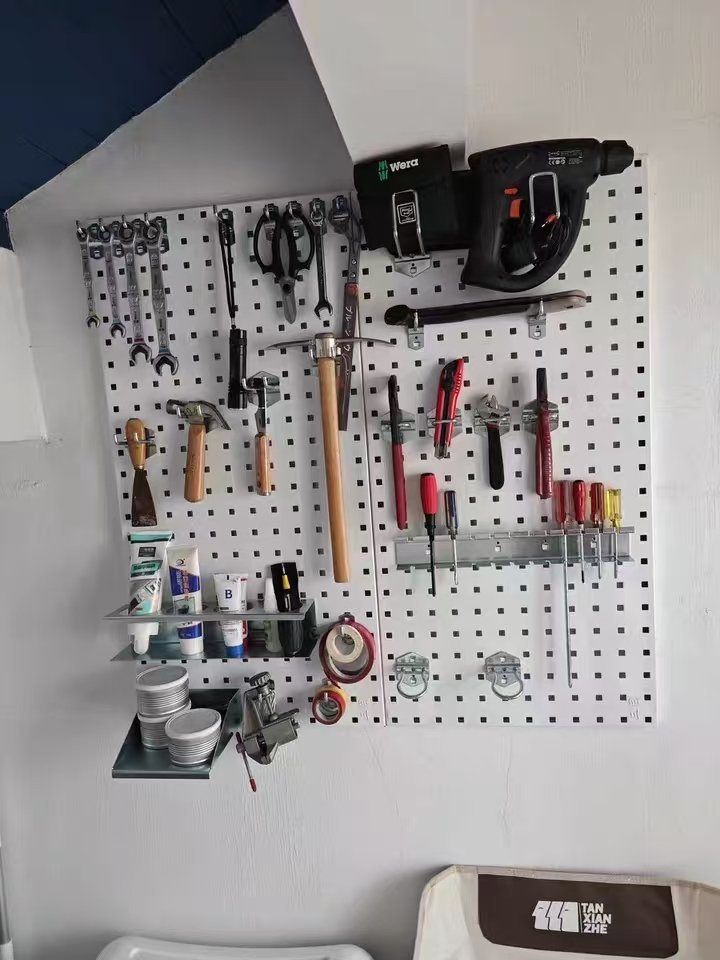
Perforated board systems consist of panels with uniformly spaced holes that accommodate various hooks, brackets, and accessories. These systems provide a versatile foundation for workshop organization, allowing for complete customization according to specific operational needs. In Munich’s precision-oriented industrial environment, the adaptability of these systems makes them particularly valuable for maintaining efficient workflows.
The panels are typically constructed from durable materials such as steel or high-density plastic, capable of supporting significant weight while maintaining structural integrity. Metal versions often feature powder-coated finishes that resist corrosion and wear, while high-quality plastic alternatives offer similar durability with the added benefit of being non-conductive and resistant to workshop chemicals.
Integration with Plastic Storage Boxes
The effectiveness of perforated board systems is significantly enhanced when combined with appropriate plastic storage boxes. These boxes are specifically designed to integrate seamlessly with perforated panels, creating a comprehensive organization system that addresses both tool storage and small parts management.
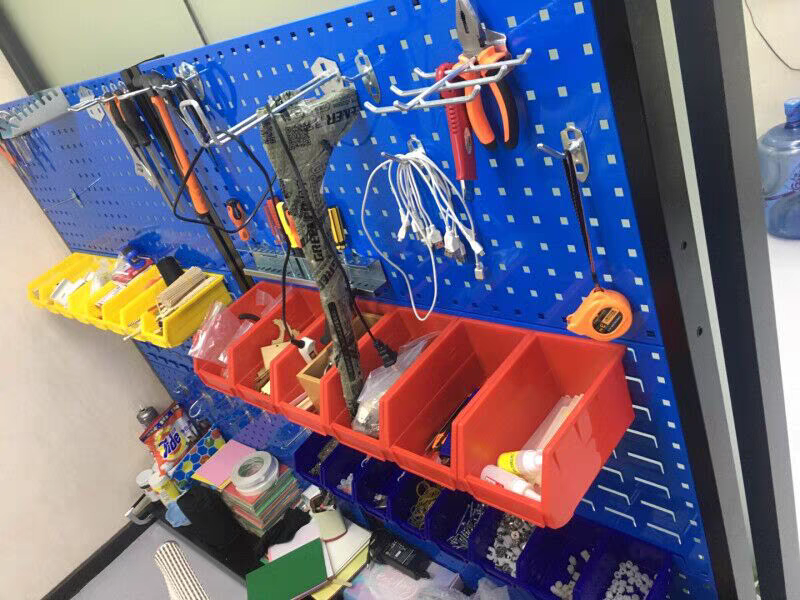
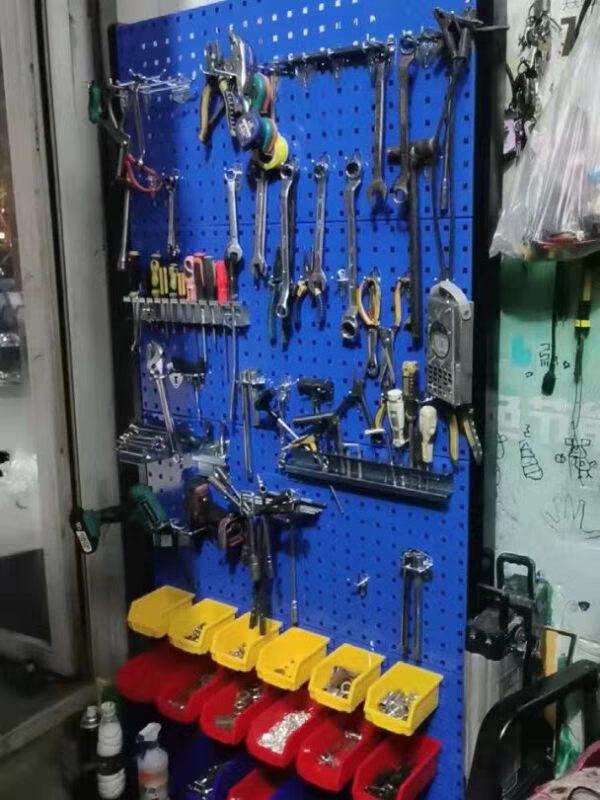
Plastic storage boxes for perforated boards come in various sizes and configurations, each engineered to serve specific organizational needs. Smaller boxes are ideal for screws, bolts, and other small hardware, while larger containers accommodate bulkier items. Many feature transparent or semi-transparent designs, allowing for quick visual identification of contents without the need to open each container.
The integration mechanism typically involves specialized mounting brackets or hooks that securely attach the boxes to the perforated panels. This design ensures that storage boxes remain firmly in place during workshop operations while allowing for easy removal when needed.
Applications in Munich’s Auto Repair Shops
Munich’s automotive repair sector, serving both luxury vehicles and everyday transportation, requires highly efficient tool organization systems. Perforated board systems with plastic storage boxes address several critical needs in these environments:
Tool Accessibility and Workflow Optimization
In auto repair shops, time efficiency directly impacts productivity and customer satisfaction. Perforated board systems enable technicians to organize tools according to specific repair tasks or vehicle systems. Frequently used tools can be positioned at optimal heights and locations, reducing movement and search time during repairs.
The combination of perforated panels and plastic storage boxes allows for the organization of both hand tools and small parts. For instance, a technician working on brake systems can have all necessary wrenches, sockets, and related hardware organized in a dedicated section of the workshop wall, complete with appropriately sized storage boxes for brake pads, springs, and other components.
Space Optimization in Limited Workshop Areas
Munich’s urban environment often results in limited workshop space, particularly in established repair facilities within the city center. Perforated board systems maximize vertical space utilization, freeing up valuable floor area for vehicle servicing and equipment storage.
By organizing tools and parts on wall-mounted systems, workshops can maintain a clutter-free floor space, improving safety and workflow efficiency. This space optimization is particularly valuable in Munich, where real estate costs are high and workshop space is at a premium.
Industrial Applications in Munich’s Manufacturing Sector
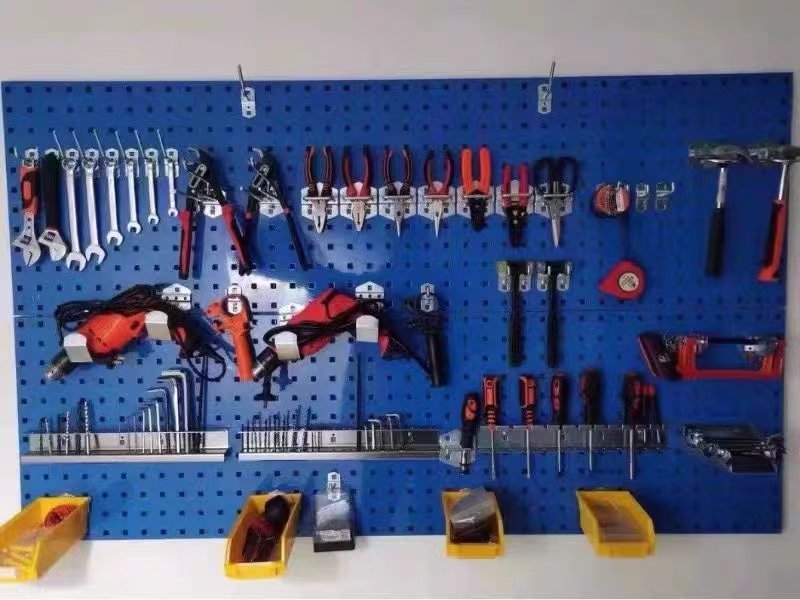
Munich’s manufacturing facilities, ranging from small precision engineering shops to large industrial plants, benefit significantly from perforated board organization systems:
Standardization and Quality Control
In industrial environments, standardization of tool organization contributes to quality control and operational efficiency. Perforated board systems allow for consistent tool placement across different workstations, reducing errors and improving productivity. When every tool has a designated location, workers can quickly verify that all tools are accounted for at the end of shifts, preventing loss and ensuring readiness for the next work period.
Adaptability to Changing Production Needs
Manufacturing environments often require reconfiguration of workspaces to accommodate different production runs or processes. Perforated board systems offer the flexibility needed for these changes. Tools and storage boxes can be easily repositioned or replaced as production requirements evolve, without the need for extensive modifications to the workshop infrastructure.
Implementation Considerations for Munich Workshops
Assessment of Organizational Needs
Before implementing perforated board systems, workshops should conduct a thorough assessment of their organizational requirements. This includes inventorying tools and parts, analyzing workflow patterns, and identifying frequently used items that should be most accessible.
In Munich’s precision-focused industrial environment, this assessment should also consider the specific requirements of different work processes. For example, automotive repair shops may need different organization systems for engine work versus electrical diagnostics, while manufacturing facilities may require separate organization for assembly tools versus quality control equipment.
Selection of Appropriate Materials
The choice between metal and plastic perforated boards depends on the specific workshop environment. Metal boards offer superior strength and durability, making them suitable for heavy tools and high-traffic areas. Plastic boards, while slightly less robust, offer advantages in environments where electrical conductivity or chemical resistance is a concern.
Similarly, the selection of plastic storage boxes should consider the types of items to be stored. Heavy-duty boxes with reinforced bottoms are suitable for metal parts and tools, while lighter boxes may be sufficient for smaller items and consumables.
Installation and Layout Planning
Proper installation of perforated board systems is crucial for their effectiveness. Boards should be mounted at appropriate heights for the intended users, with consideration given to ergonomic principles. In Munich’s industrial workshops, where worker comfort and safety are prioritized, this ergonomic planning is particularly important.
The layout should follow logical workflow patterns, with related tools and materials grouped together. For example, in an auto repair shop, all tools related to brake systems might be grouped in one area, while engine tools are organized in another section.
Maintenance and Long-Term Considerations
Regular Inspection and Maintenance
Perforated board systems require regular maintenance to ensure continued effectiveness. This includes checking mounting hardware for tightness, inspecting hooks and brackets for wear, and replacing damaged components as needed. Plastic storage boxes should be inspected for cracks or deformation that could compromise their structural integrity.
In Munich’s industrial environment, where equipment reliability is crucial, this maintenance should be incorporated into regular workshop maintenance schedules. Many facilities implement monthly inspection routines to ensure that organization systems remain in optimal condition.
Expansion and Modification
As workshop needs evolve, perforated board systems can be expanded or modified to accommodate new tools or changing processes. The modular nature of these systems makes them particularly suitable for gradual expansion, allowing workshops to add new panels or reconfigure existing layouts as needed.
This scalability is particularly valuable in Munich’s growing industrial sector, where businesses often need to adapt to changing market demands and production requirements.
Conclusion: Essential Infrastructure for Modern Workshops
Perforated board systems with plastic storage boxes represent essential infrastructure for modern workshops in Munich’s industrial and automotive sectors. These systems offer the flexibility, efficiency, and organization needed to maintain competitive operations in precision-focused environments.
By implementing these organization solutions, Munich’s workshops can improve productivity, enhance safety, and create more efficient working environments. The adaptability of these systems ensures that they can evolve with changing operational needs, providing long-term value for businesses in Munich’s dynamic industrial landscape.
As Munich continues to maintain its position as a center of industrial excellence, the importance of efficient workshop organization will only grow. Perforated board systems with plastic storage boxes stand ready to meet this challenge, providing practical, effective solutions for the city’s diverse industrial and automotive workshop needs.