
Heavy-Duty Tool Cabinet Buyer Checklist: 5 Things That Save You a Claim Before Ordering
A container of tool cabinets arrives, the buyer opens the first carton, and the drawer slide falls off in his hand. The slide was rated for 45 kilograms but the weld that holds the slide rail to the cabinet wall missed half the joint. The buyer photographs it, files a claim, and the factory eats the cost of a replacement shipment. That scenario repeats every month in the tool cabinet trade, and it is preventable if the buyer checks five things before the container leaves the port.
This checklist is written for the buyer who is ordering a full container of heavy-duty tool cabinets for the first time, or for the buyer who has been burned before and wants a list that actually catches the problem before it becomes a claim.
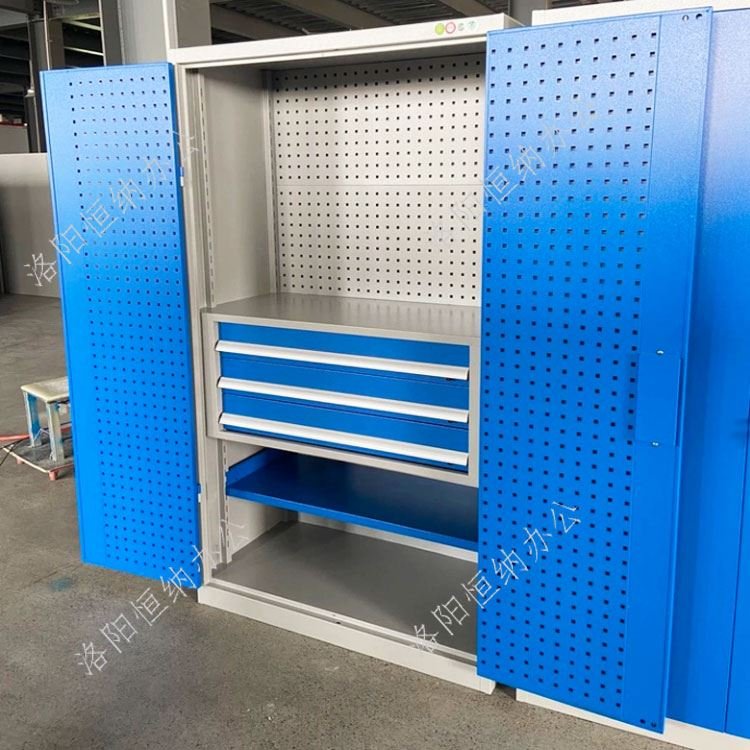
Thing 1: Drawer slide quality and load rating
The drawer slide is the part that fails first and costs the most to replace in the field. A cheap slide rated for 25 kilograms will bend and jam when the drawer is loaded with wrenches and sockets. The spec sheet says 45 kilograms but the actual slide in the cabinet is a 25-kilogram slide with a 45-kilogram label. The buyer discovers this only when the first drawer jams during the store demo.
The check is simple: pull the drawer all the way out, stand a 20-kilogram weight in the center, and push it in and out ten times. If the slide binds, wobbles, or makes a grinding noise, the slide is undersized. We use 45-millimeter ball-bearing slides rated for 50 kilograms on every drawer, and we include the slide spec sheet in the shipment so the buyer can verify the rating against the physical part.
| Check point | What to look for | Red flag |
|---|---|---|
| Drawer slide | Ball-bearing, 45mm+, rated 45-50kg | Friction slide, thin rail, no rating stamp |
| Weld quality | Continuous weld on slide rail mount | Tack weld or spot weld only |
| Lock mechanism | Central lock with individual drawer release | Separate key per drawer or no lock |
| Coating thickness | 60-80 micron powder coat | Thin paint, orange peel texture, bare spots |
| Packaging | Corner protectors + foam + carton | Loose in carton, no corner protection |
Thing 2: Weld inspection on the frame and joints
Tool cabinets carry heavy loads, and the frame welds are what keep the cabinet from racking when it is moved. A cabinet that passes a visual inspection can still have cold welds underneath the powder coat: welds that look solid but have no penetration and crack under load. The inspection method is a tap test: tap each weld joint with a small hammer. A solid weld rings. A cold weld thuds.
For a container order, inspect five random units from the batch, not just the sample the factory pulls for you. The sample is always the best unit in the line. The fifth unit off the line tells you what the batch actually looks like.
Thing 3: Lock system and keying plan
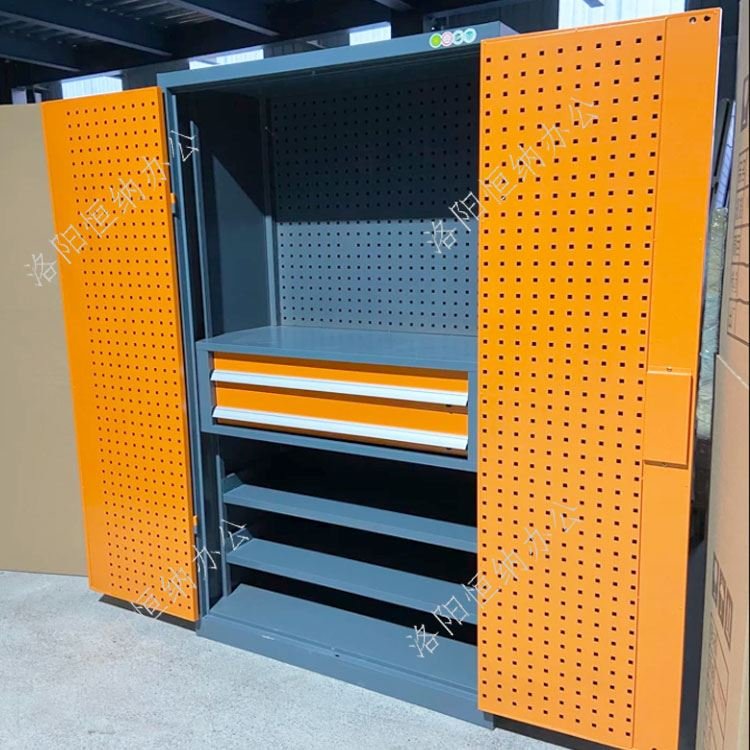
A tool cabinet without a lock is a display unit, not a storage unit. The lock system has two parts: the lock mechanism itself and the keying plan. A central lock that releases all drawers with one turn is the standard for workshops and garages. Individual drawer locks are an option for high-security environments but they add cost and slow down the workflow.
The keying plan is the detail that most buyers forget to specify. A container of 100 cabinets with 100 different keys is a logistics problem for the reseller. We offer keyed-alike options where every cabinet in the container uses the same key, or master-keyed options where each cabinet has its own key and the facilities manager has a master. Tell us the keying plan at the quote stage, not after the container is packed.
Thing 4: Powder coat thickness and salt spray test
The powder coat on a tool cabinet is the layer that decides whether the cabinet looks new in two years or starts showing rust spots in six months. The thickness should run between 60 and 80 microns. Below 60, the coat is thin and chips easily. Above 80, the coat is thick and may crack at bend points.
For buyers in coastal or humid markets, ask for the salt spray test result. A standard powder coat passes 240 hours. Our cabinets pass 480 hours, and we include the test report in the shipment documentation. The report is the document that stops a rust claim before it starts.
Thing 5: Packaging that survives the container ride
A tool cabinet is heavy and the drawer slides are the part that gets damaged during shipping. A cabinet packed loose in a carton will arrive with dented corners and jammed drawers. The packaging must include corner protectors, foam between drawers, and a double-wall carton. For full-container orders, we add plywood dividers between rows so the cabinets do not shift during transit.
The packaging spec is part of the order confirmation. If the factory does not send you a packaging photo before loading, ask for one. A photo of the packed container interior before the doors close is the last chance to catch a packing problem before the container is sealed.
How we build ours
Our tool cabinets come off the production line in Luoyang with 45-millimeter ball-bearing slides, continuous welds on all frame joints, and a 480-hour salt-spray-rated powder coat. The lock system is a central lock with keyed-alike or master-keyed options at the quote stage. Every shipment includes the slide spec sheet, the salt spray test report, and a packing photo taken before the container doors close.
Custom configurations are routine: drawer count, cabinet height, color, lock type, and branding. Send the order quantity and the destination market, and we will return the spec sheet with the quote.
Common questions
How many drawers can a heavy-duty tool cabinet hold? Standard models run from 5 to 10 drawers. The limit is not the drawer count but the total weight: a 10-drawer cabinet loaded with tools can weigh over 200 kilograms, and the frame must be rated for that load without racking.
Can I mix drawer sizes in one cabinet? Yes. We offer mixed drawer height configurations where the top drawers are shallow for small parts and the bottom drawers are deep for power tools. Tell us the tool list and we will recommend the drawer mix.
What is the lead time for a full container order? Standard configurations ship in 25 to 30 days. Custom configurations take 35 to 45 days depending on the lock type and color.
Do you offer a sample before the container order? Yes. We ship one sample unit with the exact configuration of the container order. The sample is charged at the container unit price and the cost is deducted from the container invoice.
What certifications do you provide? We provide ISO 9001 quality certification, the salt spray test report, and the drawer slide load test report. For markets that require specific certifications, tell us the market and we will confirm what is available.
The short version
Check the slides, check the welds, specify the keying plan, ask for the salt spray report, and see the packing photo before the container is sealed. Five checks that cost ten minutes each and save a five-figure claim. Send us the order quantity and the destination, and we will return the spec sheet and the quote.
Mobile Tool Cart Guide — Casters, Ball-Bearing Slides and the Parts That Give Out First
A tool cart and a tool cabinet do not fail in the same order. Put a...
Read articleFlammable Storage Cabinet Venting — When Ducting Is Required and When to Leave Bungs In
Most flammable storage cabinets should stay sealed. NFPA 30 does not require venting for fire protection,...
Read articlePhone Charging Locker Specs — Bay Count, Power Draw and Lock Type Buyers Must Pin Down First
Three specs decide whether a container of phone charging lockers sells through or comes back as...
Read article